Learning Dutch
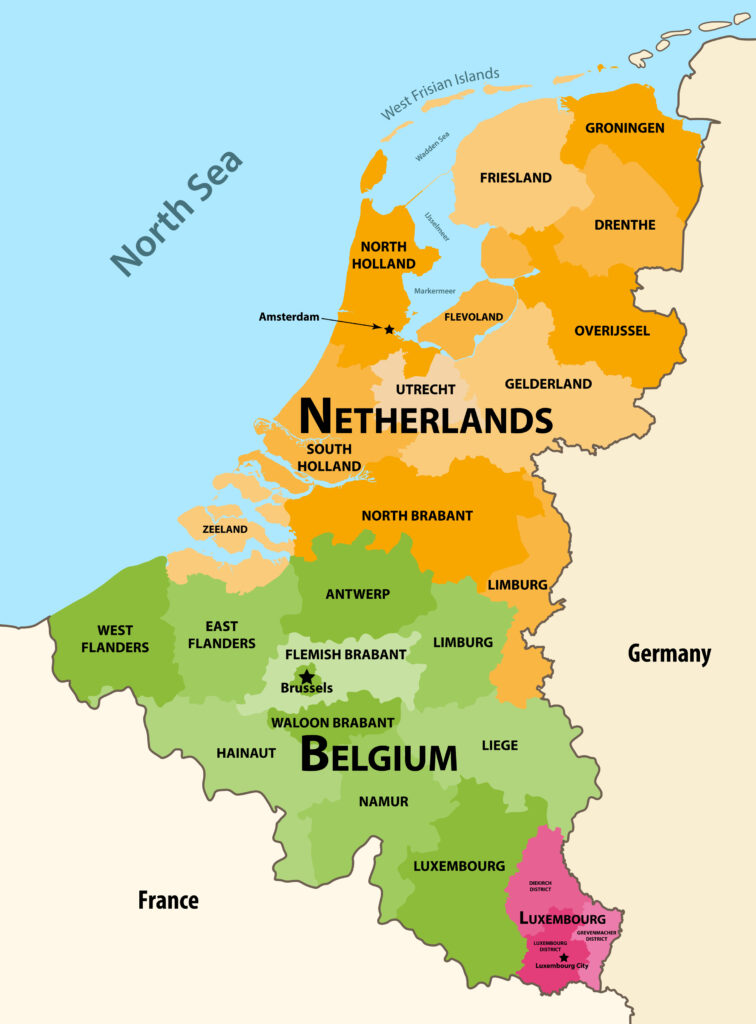
More about the Netherlands and Belgium
Singaporeans often get annoyed when visiting in-laws or friends in northern Europe, as they may not know what they are talking about. This is because they may forget about their Singaporean guest. To address this issue, taking the full Beginners Course (24 lessons) or Basic Course (12 lessons) can help you understand the jokes, gossip, and local shops and restaurants without having to point your finger at things.
Learning Dutch ensures independence, and your in-laws will appreciate your efforts and encourage you. It also benefits family bonding and is worth the effort. To learn Dutch all by yourself, you can purchase the package Naar Nederland, which is a multi-media tool for learning and practicing the Dutch language in general.
In summary, learning Dutch is a valuable experience for both Singaporeans and Singaporeans, as it ensures independence, encourages communication, and fosters family bonds. Signing up for a Dutch course today can help you achieve these benefits and enjoy your stay in Holland and Belgium.
Frequently asked questions
What are the benefits of learning Dutch?
- Practical for travel, business, and daily interactions in the Netherlands and Belgium.
- Expands personal and professional opportunities.
- Provides insight into Dutch culture and history.
- Improves cognitive abilities and critical thinking skills.
How difficult is it to learn Dutch?
- Dutch is considered a relatively easy language for native English
speakers to learn. - Similarities in vocabulary and grammar structure between English and Dutch.
- Pronunciation can be challenging at first but becomes easier with
practice.
What are the best ways to learn Dutch as an adult?
- Immersion through living, working, or studying in the Netherlands or
Belgium. - Taking structured language classes, whether in-person or online.
- Using language learning apps, podcasts, and other digital resources.
- Reading Dutch books, newspapers, and websites.
How long does it typically take to become fluent in Dutch?
Fluency depends on individual factors like previous language experience and immersion.
With consistent practice, most learners can achieve conversational fluency in 6-12 months.
Reaching native-like fluency in reading, writing, and advanced conversation can take 2-3 years.
What are the most important grammer rules in Dutch?
- Word order, especially the placement of the verb in a sentence.
- Gendered nouns and definite/indefinite articles.
- Conjugation of verbs, including irregular forms.
- Use of cases (nominative, accusative, dative, etc.).
How can I improve my Dutch pronunciation?
- Listen to native speakers and pay close attention to vowel and consonant sounds.
- Practice tongue twisters and repetitive phrases to build muscle memory.
- Record yourself and compare to native speakers to identify areas for
improvement. - Consider working with a tutor or language coach for personalized
feedback.
What resources are available for learning Dutch vocabulary?
- Flashcard apps like Anki or Quizlet to build vocabulary systematically.
- Bilingual dictionaries, both physical and online/app-based.
- Listening to Dutch music, podcasts, and watching TV shows.
- Reading children’s books, newspapers, and other simple Dutch texts.
How can I practice speaking Dutch outside of formal lessons?
- Find a language partner to converse with regularly, either in-person or via video chat.
- Join a local Dutch conversation group or club.
- Narrate your daily activities and thoughts out loud to yourself in
Dutch. - Participate in online Dutch language forums and discussion boards.
What are some common mistakes that Dutch language learners make?
- Confusing the gendered articles ‘de’ and ‘het’ .
- Misplacing the verb in sentence structure.
- Mispronouncing diphthongs and other vowel sounds.
- Directly translating idioms and expressions from English.
Are there any tips for learning Dutch efficiently and effectively?
- Set realistic goals and track your progress
– Immerse yourself in the language as much as possible. - Practice speaking, listening, reading, and writing regularly.
- Be patient and persistent, as language learning takes time and dedication.
Our mission
“Our mission is to empower individuals with the linguistic skills necessary to thrive in Dutch-speaking environments, whether for personal or professional reasons. We aim to provide comprehensive language training that prepares students for integration exams and equips them with the confidence to communicate effectively in real-life situations.”
Contact
Contact our course coordinator Dais Chan:
+65 9684 0356 or email us at info@allwrite.com.sg-testing.dedi9050.zxcs-klant.nl